Merchant risk in deregulated electricity markets has transformed standalone battery storage from a passive capacity reserve into an active algorithmic trading asset. Storage operators can no longer rely solely on basic day-ahead price arbitrage to cover capital expenditures and degradation budgets. Modern energy storage management software must dynamically allocate megawatt capacity across multiple market products simultaneously to maximize project profitability.
Frequency Regulation versus Energy Arbitrage
Fast-responding lithium iron phosphate battery systems excel at ancillary service provision, responding to grid frequency deviations within milliseconds. However, continuous rapid cycling accelerates cell degradation and increases auxiliary HVAC cooling costs. Automated dispatch systems must constantly calculate cell health metrics against regulation market clearing prices to determine whether high-frequency response bids yield higher risk-adjusted margins than standard two-hour energy arbitrage.
Navigating Capacity Remuneration Frameworks
Contracted capacity availability payments provide the foundational floor revenue required to secure project debt financing for utility-scale facilities. By locking in five-to-ten year capacity contracts with regional transmission operators, developers secure baseline cash flows while leaving twenty to thirty percent of system capacity uncommitted for spot market arbitrage. This hybrid revenue model satisfies institutional lending covenants while preserving upside exposure during regional grid stress events.
Capital Allocation for Storage Project Developers
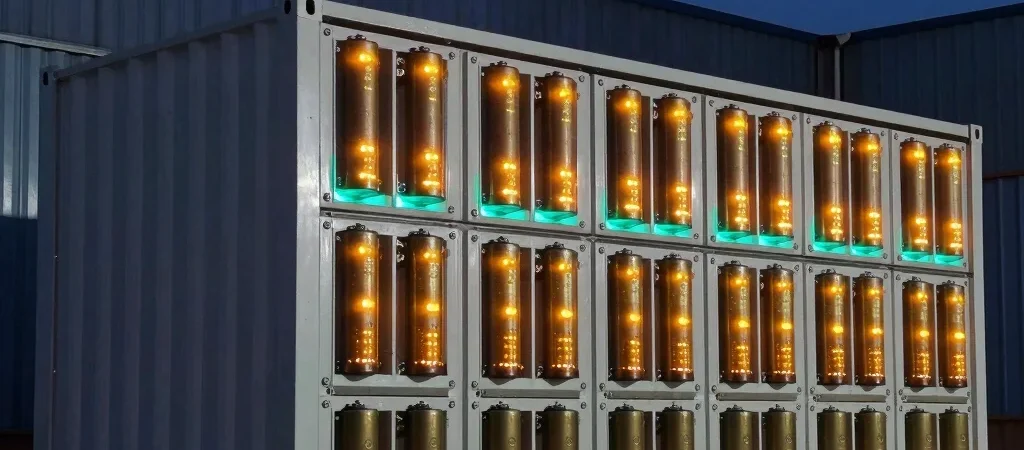
Successful battery asset optimization requires an integrated approach to software controls, warranty compliance, and power market bidding. Independent power producers should conduct rigourous nodal price forecasting and backtesting before committing capital to specific battery container enclosures. Prioritizing modular system architectures allows operators to upgrade energy management systems as market rules and grid interconnect standards evolve.