
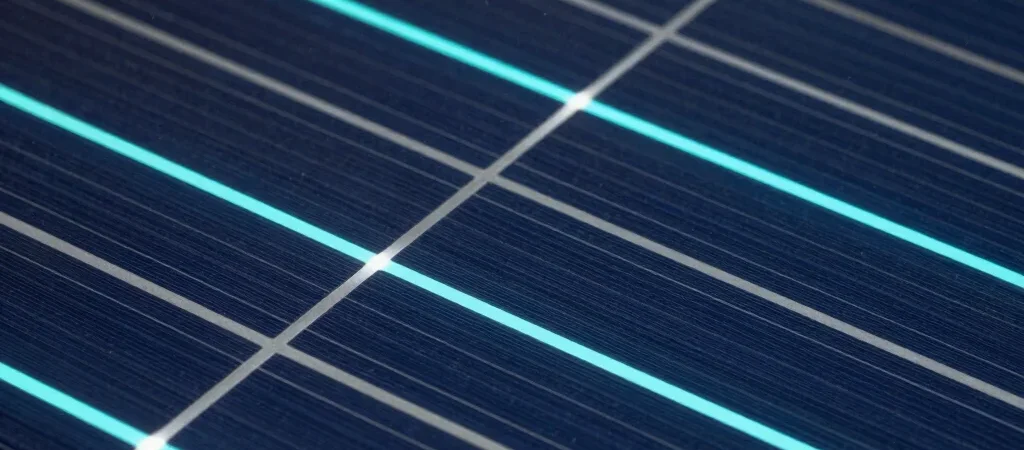
As utility-scale solar installations transition away from legacy P-type PERC architecture, project developers face a critical choice between Tunnel Oxide Passivated Contact and Heterojunction cell designs. While both technologies offer superior initial cell efficiencies exceeding twenty-four percent, empirical field data from high-irradiance regions demonstrates significant variance in long-term degradation rates. Understanding these operational characteristics is essential for institutional investors structuring thirty-year power purchase agreements.
Thermal Coefficients and High Temperature Performance
Temperature coefficient metrics dictate how effectively a module maintains power output under heavy thermal loads during peak afternoon generation hours. N-type TOPCon modules typically demonstrate a temperature coefficient around negative zero point thirty percent per degree Celsius, whereas Heterojunction modules maintain an even lower loss rate near negative zero point twenty-six percent. In desert utility deployments where cell temperatures routinely exceed sixty degrees Celsius, this thermal efficiency delta yields measurable annual kilowatt-hour performance gains.
Bifaciality Factors and Levelized Cost Dynamics
Bifacial generation gain plays a decisive role in driving down the levelized cost of energy for tracking systems mounted over high-albedo ground covers. Heterojunction architecture natively achieves bifaciality factors above eighty-five percent due to its symmetrical cell structure, compared to eighty percent for standard TOPCon production runs. This extra rear-side yield offsets higher upfront capital expenditure for HJT hardware when installed on white gravel or desert sand foundations.
Commercial Selection for High Yield Assets
Selecting the optimal module technology requires balancing initial bill-of-materials procurement costs against projected project internal rates of return. Asset managers should verify tier-1 bill-of-materials documentation and independent lab test reports before issuing final purchase orders. Aligning hardware specifications with site-specific albedo and ambient temperature parameters ensures long-term cash flow predictability for capital-intensive clean energy portfolios.
![Gridlock'd [DVD]](https://m.media-amazon.com/images/I/41CoptdCkwL.jpg)